
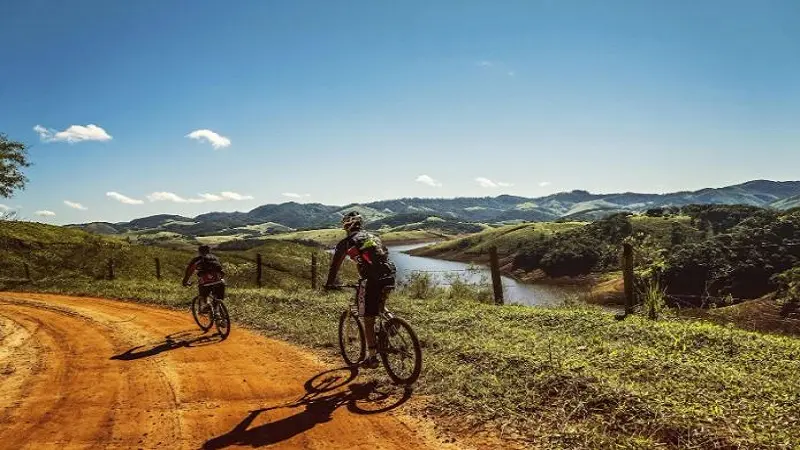
There’s something powerful about seeing the world from a bicycle. You move at your own pace, feel every breeze, and notice details most travelers miss. But a great ride depends on more than strong legs and a good route. The right gear can turn a tough journey into a smooth adventure. From safety basics to smart storage solutions, every item you pack plays a role in comfort and confidence. Whether you’re planning a weekend escape or a long-distance tour, knowing what to carry makes all the difference. Let’s explore the must-have essentials every traveling cyclist truly needs.
Essential Bike Packing Systems: Choosing Your Cargo Solution
Your cargo system isn’t just about carrying stuff. It’s about maintaining bike handling, accessing gear quickly, and staying balanced on challenging terrain.
Bikepacking Bags vs Traditional Panniers
Bikepacking bags mount straight to your frame—no racks required. Frame bags, seat packs, and handlebar rolls keep weight distributed low and centered. You’ll appreciate this approach when navigating technical trails or narrow paths. Panniers, though? They’re the workhorses of long-distance touring. Need something mid-ride? No problem—grab it without dismantling your entire setup. The Tailfin Frame Bag represents the new hybrid thinking, merging both philosophies intelligently.
Strategic Weight Distribution
Load too much up front and your steering goes wonky. Pack everything in back and you’ll wheelie up steep grades. Shoot for 60/40 rear-to-front on pavement, or balance it 50/50 when you’re hitting rougher ground. Heavy items belong low and centered—stoves and tools in frame bags, lighter clothing up in handlebar rolls. Here’s what beginners miss: compression matters enormously. Empty space adds bulk with zero benefit, so grab dry bags featuring compression straps.
Matching Systems to Travel Style
Credit card touring keeps things minimal—maybe 8-10kg total. Hotels and restaurants mean you can travel light with just a seat pack and frame bag. Many savvy modern tourers now use esim for travelers to book lodging on the fly, ditching heavy guidebooks and rigid itineraries entirely. This digital connectivity has genuinely revolutionized how we navigate and adapt our routes in real-time.
Self-supported expeditions? Different ballgame entirely. You’re hauling 25-35kg with camping equipment, food reserves, and emergency water. That demands front and rear panniers or an extensive bikepacking system with multiple mounting points.
Navigation and Communication Technology
Getting lost loses its charm fast when you’re miles from civilization. Modern cycling travel accessories keep you oriented and connected when it matters most.
GPS Devices and Cycling Computers
Dedicated GPS units crush smartphones on battery life—think 15-20 hours versus 4-6. Wahoo and Garmin devices handle offline maps beautifully, storing entire continental route libraries. Touchscreens fail miserably in rain, which explains why button-controlled units remain touring favorites. Route planning software like Komoot syncs effortlessly with most devices. You can plot courses avoiding highways or specifically targeting gravel paths.
Staying Connected
Satellite messengers like Garmin inReach deliver SOS capability where cell towers don’t exist. They’re expensive, sure, but potentially life-saving. Download translation apps for offline use—you’ll dodge communication disasters. Offline banking apps matter too, since internet cafes have largely vanished.
Power Management Solutions
Solar panels sound brilliant but deliver frustratingly inconsistent results. Weather, angle, riding schedules—everything reduces their effectiveness. They shine on rest days in desert sunshine, less so elsewhere. Dynamo hub systems generate limitless power while you ride. Modern units add negligible drag and simultaneously charge phones, lights, and GPS devices. Quality hubs cost $150-250 but justify themselves on one extended tour.
High-capacity power banks (20,000mAh+) provide 4-6 full phone charges. They’re hefty at 400-500g but absolutely essential for multi-day stretches without grid access.
Lighting Systems: Visibility and Safety
Mechanical failures end plenty of tours, but visibility problems aren’t far behind. Micromobility-related injuries have climbed approximately 23% annually since 2017, making proper lighting critical protective equipment.
Front and Rear Lighting
City riding needs 400-600 lumens, but rural touring demands 1000+ lumens to spot road hazards at speed. Beam patterns matter significantly—focused beams for road touring, flood patterns for technical terrain. Runtime varies wildly, so carry USB cables and top off during meal breaks. Radar-integrated rear lights detect approaching vehicles and alert you via handlebar displays. They’ve prevented countless accidents during fatigue-induced drifting.
Emergency and Camp Lighting
Headlamps with red light modes preserve your night vision when establishing camp. Models under 100g pack effortlessly and work perfectly for roadside repairs. Reflective frame strips deliver 360-degree visibility without batteries.
Bicycle Repair and Maintenance Arsenal
Your bicycle packing checklist remains incomplete without self-sufficiency tools. No bike shop access means you’re the mechanic now.
Comprehensive Tool Kit
Multi-tools should include hex keys (2-10mm), chain breakers, spoke wrenches, and screwdrivers. Tire boots fix sidewall cuts that patches simply cannot address—literally tour-savers. Tubeless repair kits need plugs, backup sealant, and traditional tubes as your ultimate failsafe. Hydraulic brake bleeding kits only justify their weight on month-long expeditions where shops are genuinely absent.
Spare Parts Priority
Derailleur hangers snap easily and immediately immobilize you. Carry one matched to your specific frame—universal versions are mythology. Brake pads wear dramatically faster under touring loads, particularly in wet mountainous conditions. Zip ties and duct tape temporarily fix everything from shredded panniers to cracked frames. Wrap tape around a pencil to conserve space and weight.
Cycling Apparel and Comfort Solutions
Performance Clothing
Merino wool base layers resist odor for 3-5 days between washes—crucial when laundry facilities are scarce. Quick-dry cycling shirts with casual styling work on and off the bike, reducing total clothing volume. You’re not trying to look like a professional racer in cafes. Convertible pants transition seamlessly from riding to walking. Packable rain jackets under 200g exist and they’re worth hunting down—cheap, bulky jackets stay buried in bags because retrieving them feels punishing.
Chamois Quality and Anti-Chafing
Multi-day chamois technology includes antibacterial treatments that genuinely matter. Apply chamois cream before rides to prevent problems rather than treat them afterward. Some tourers carry multiple shorts, others wash nightly—both strategies work fine.
Footwear and Weather Protection
SPD walkable shoes blend cycling efficiency with hiking capability. You’ll explore towns, push through sand, and stroll to restaurants. Cycling-specific shoes that can’t walk become useless weight. Neck gaiters serve as sun protection, dust filters, sweat bands, and cold-weather face coverage. They’re the most versatile 50g you’ll pack.
Comparison Table: Packing Systems by Tour Type
| Tour Style | Total Weight | Bag Type | Capacity Needed | Best For |
| Credit Card | 8-12kg | Seat pack + frame bag | 15-20L | Paved routes, hotel stays |
| Light Bikepacking | 12-18kg | Full bikepacking setup | 25-35L | Mixed terrain, occasional camping |
| Self-Supported | 25-35kg | Panniers or large bikepacking | 60-80L | Long expeditions, full camping |
| Expedition | 35kg+ | Front + rear panniers | 80L+ | Remote areas, extended travel |
Essential Questions About Touring Gear
What does every touring cyclist absolutely need?
Protective gear tops the list—helmet, gloves, and eye protection prevent serious injuries. A solid repair toolkit with spare tubes saves tours from premature endings. Quality chamois cream stops saddle sores before they develop. These aren’t optional luxuries but fundamental long distance cycling equipment keeping you moving safely.
How much should beginners budget for bicycle travel essentials?
Entry-level setups run $800-2000 depending on your existing gear. Prioritize contact points (saddle, shorts, gloves) and safety equipment first. Buy secondhand bags and camping gear to slash costs significantly. Borrow items for your inaugural tour to test preferences before major investments.
Can regular bikes handle touring loads?
Most bikes accept racks and bags with minor modifications. Check frame eyelets for rack mounting options and verify tire clearance for wider rubber. Adjust gearing ratios for loaded climbing—compact cranks or wider-range cassettes make mountains manageable. Your current bike probably works better than you’d imagine.
Final Thoughts on Building Your Touring Kit
Getting gear right transforms bicycle touring from endurance test into genuine adventure. Start with proper bicycle travel essentials that solve actual problems—cargo systems handling well, repair tools you understand, and clothing keeping you comfortable through changing conditions. Don’t obsess over the lightest or priciest options initially.
Test everything on weekend trips before committing to long expeditions. Your ideal setup emerges through experience, not online forums or product reviews. The best gear fades into the background, letting you focus on landscapes, people, and the pure joy of traveling at cycling speed. See more